Hi there! Need help?

Ask us anything and we will do our best to help.

CHURCHILL, MANITOBAOCTOBER 13-18, 2027

Polar Bears.
In Blazing
Fall Colors.

THE AUTUMN APEX PREDATOR EXPEDITION Polar bears. Autumn tundra. Photographs people want to own.

Five days in Churchill, timed for the fall polar bear season and the copper-and-gold tundra that makes these images stand apart. Expert local guides and hands-on field instruction keep the focus on remarkable wildlife photographs with real selling potential.

or, scroll down to learn more

WHY THE STORY CHANGES IN OCTOBER

More than a
polar bear trip.

Something incredible happens in early October. It is entirely why we chose these dates. Before deep winter turns Churchill white, the tundra can still burn with rust, gold and red. And this earlier season can bring opportunities beyond the bears, from Arctic and red foxes to the rare possibility of wolves and even wolverines.

SCROLL THROUGH THE TUNDRA
WHAT MAY STEP INTO THE FRAME Wildlife of the Autumn Tundra
01 05
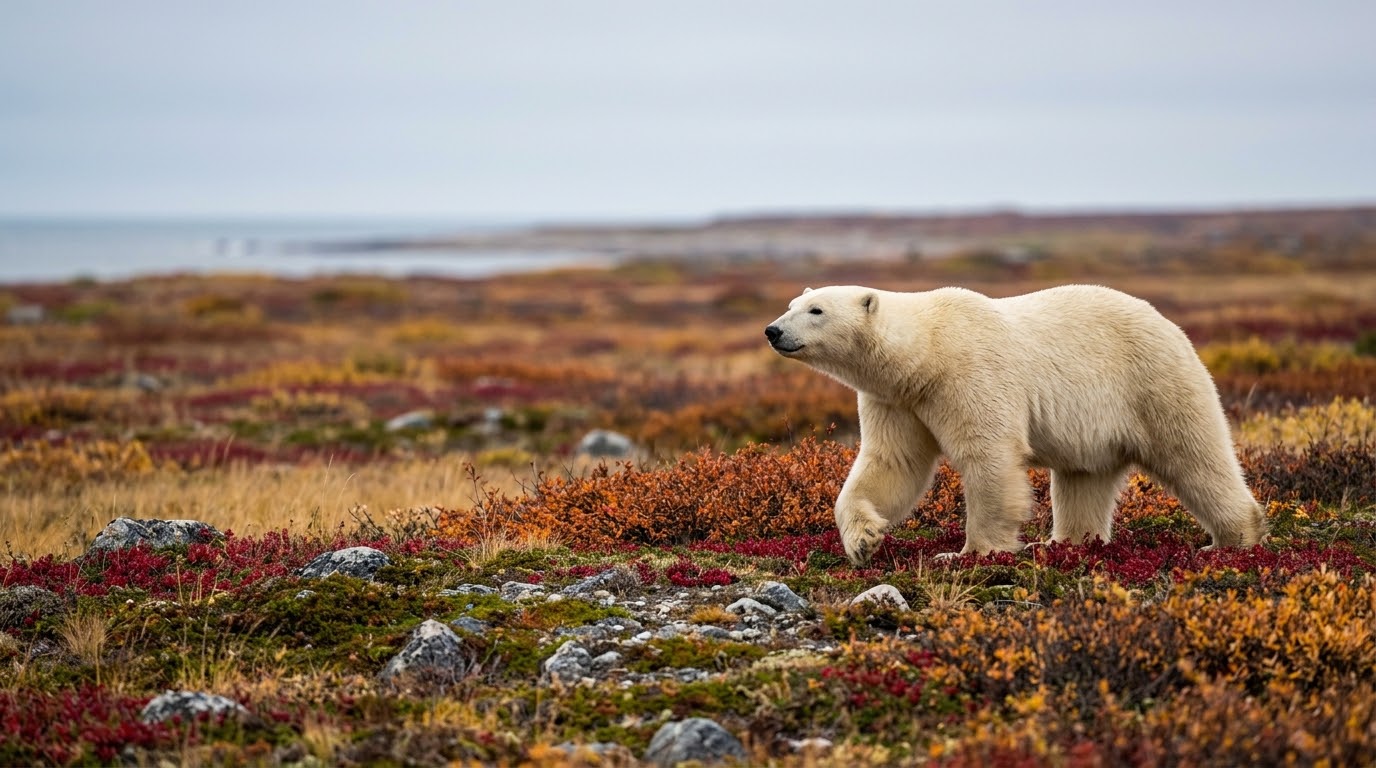
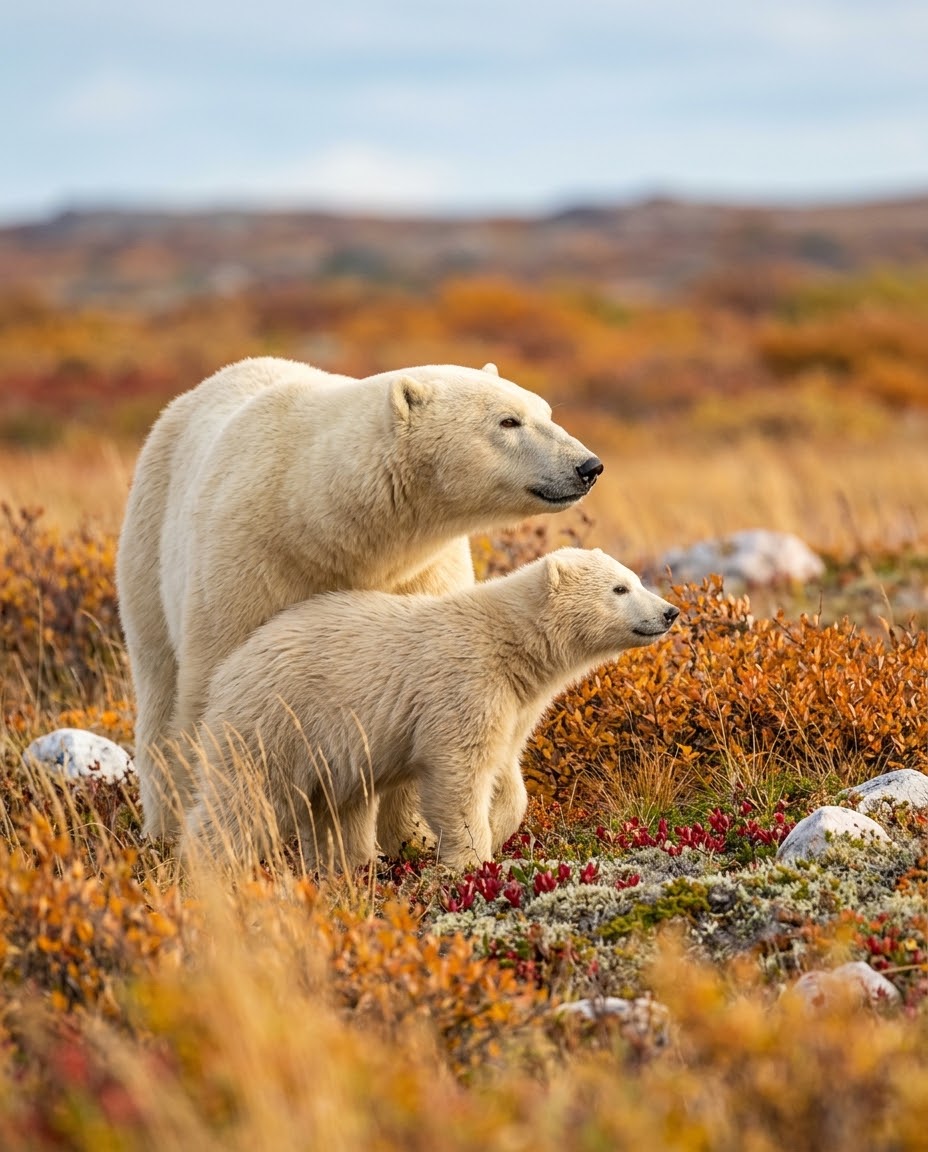
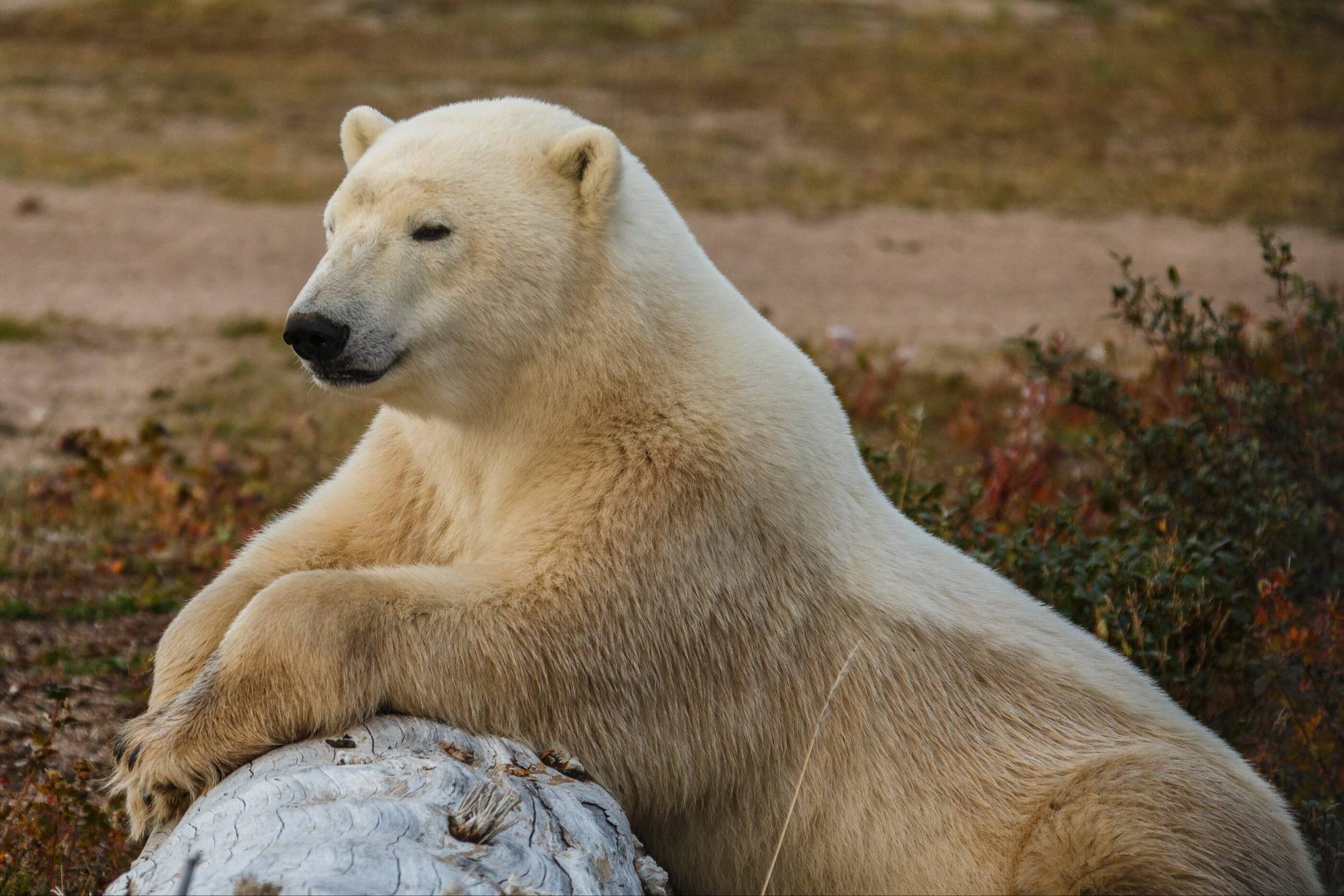
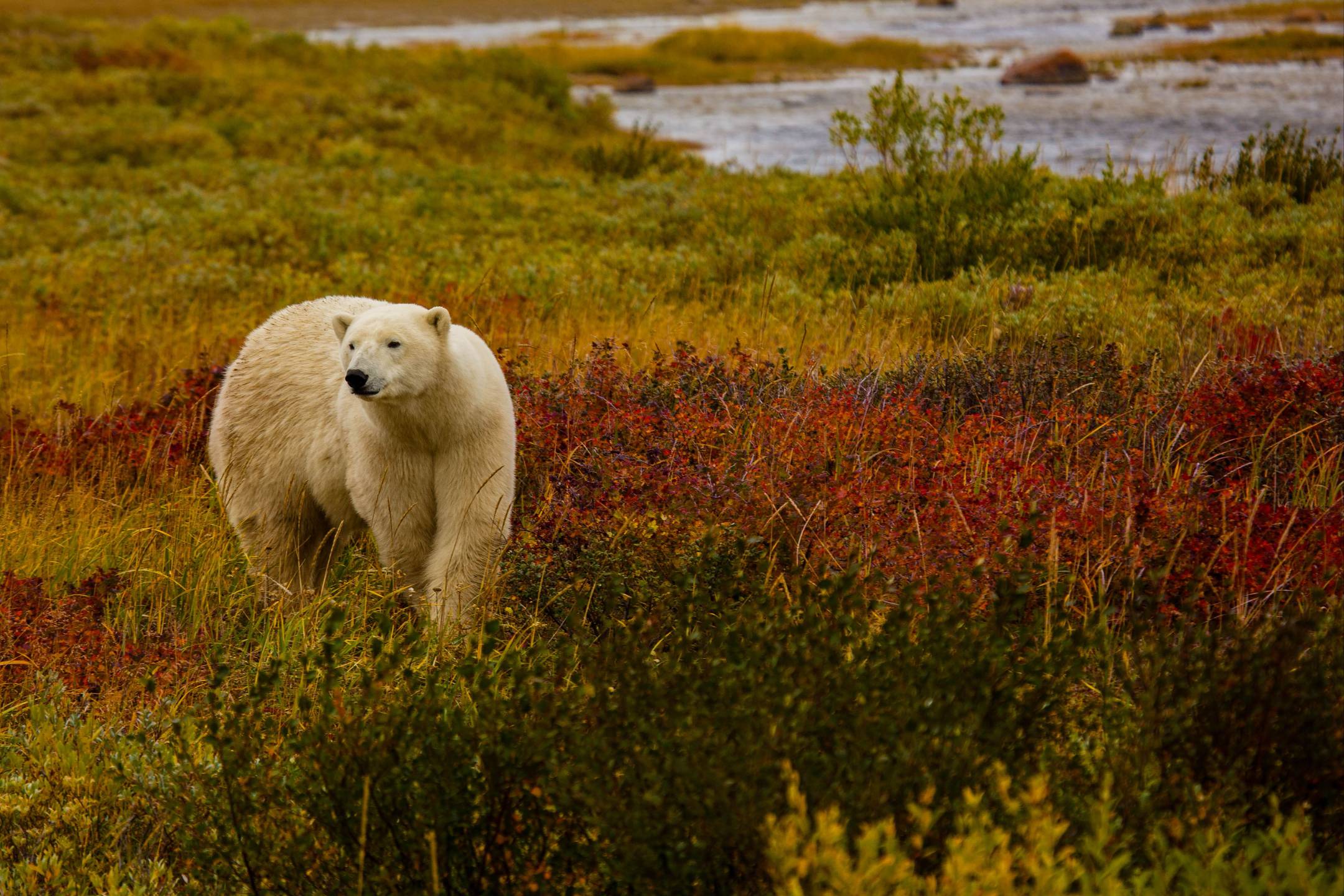
Polar bear in Churchill's autumn tundra
POLAR BEARS

Nothing else
looks like this.

White bears moving through rust and gold tundra. The encounter is unforgettable. The setting makes it unmistakably Churchill.
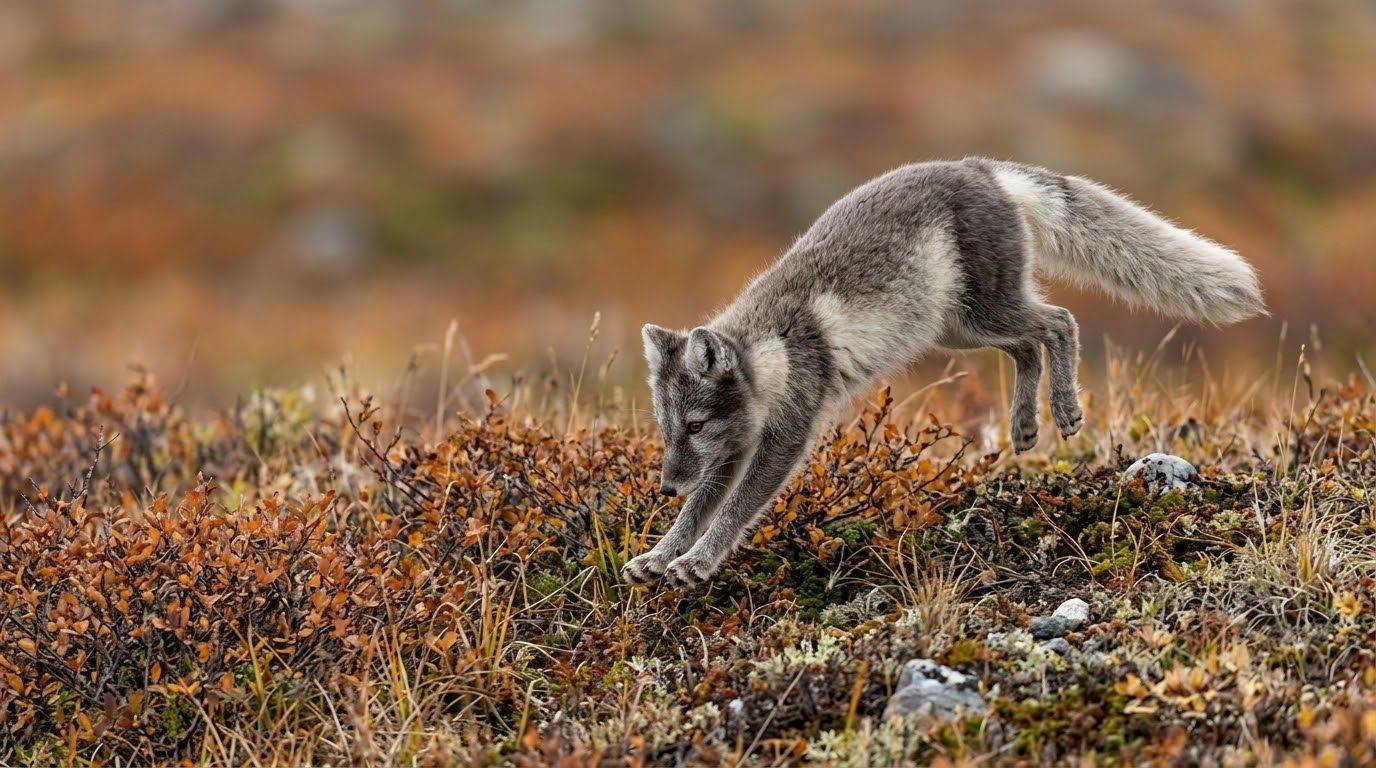
Arctic fox in the Churchill tundra
ARCTIC FOXES

Small. Fast.
Worth being totally ready for.

A pale shape moving through the tundra can become one of the most intimate photographs of the week. You may only get seconds to recognize the opportunity, frame it and make the shot. So we'll make sure you have every chance possible.

Red fox in autumn color near Churchill
RED FOXES

A streak of rust
through the tundra.

In autumn, the color already lives in the landscape. Then a fox appears and the scene suddenly feels like it was composed for the camera, as perfect as if it posed just for you.

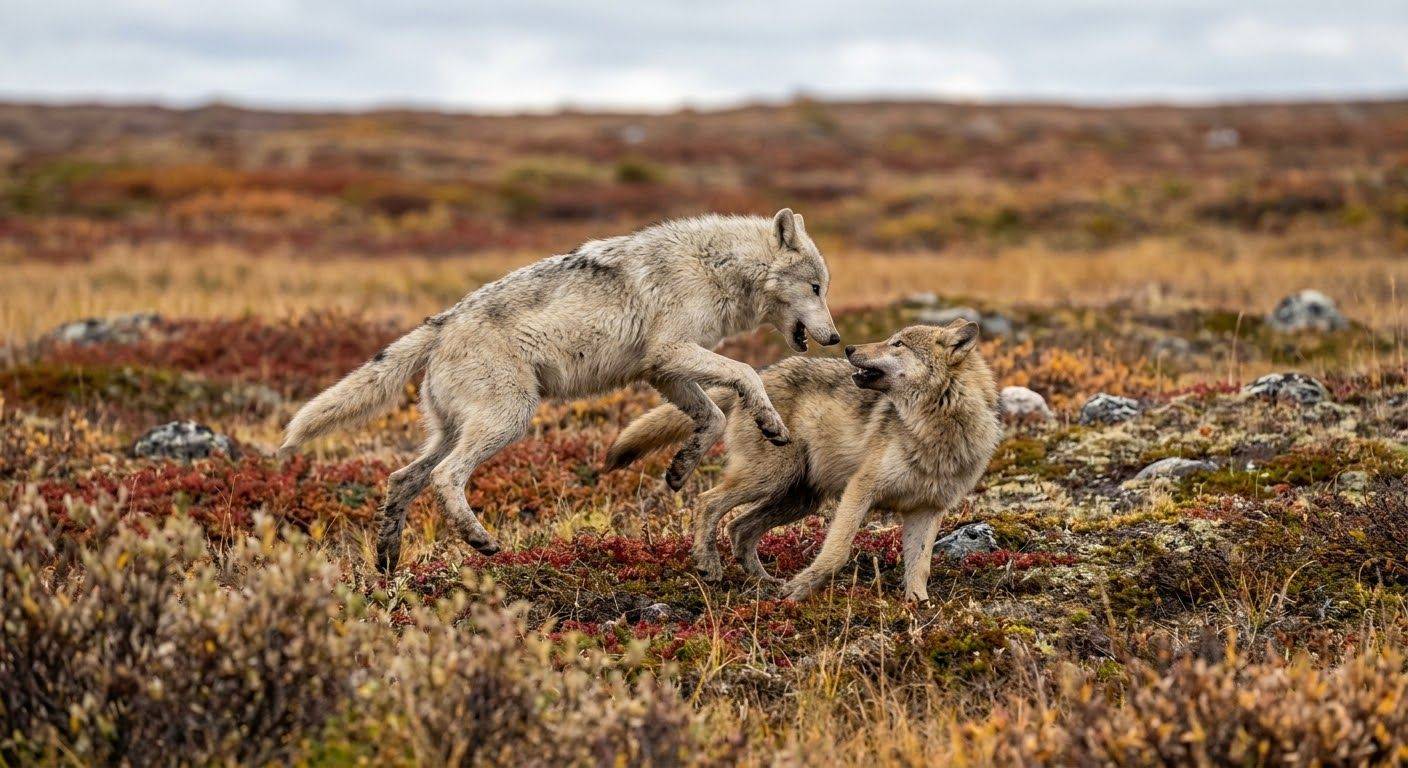
Wolf moving through the Churchill autumn tundra
WOLVES

Built for the
wide open tundra.

A wolf gives you a completely different kind of photograph. Long legs, alert posture, movement across huge open ground, and sometimes more than one animal working the landscape together. They are never guaranteed, but if wolves appear, we look for the story in the behavior, spacing and scale of the tundra around them.

Wolverine in the Churchill autumn tundra
WOLVERINES

The one you
almost never expect.

A wolverine is the true wildcard. Solitary, elusive and extraordinarily difficult to predict, even a brief appearance would be one of the best photographic opportunities of the trip. You cannot plan a wolverine, (they are horrible with contracts) So no promises on them, but they ARE out there. And if they pop up you can trust we will be ready. And 5 days mean many more chances to see them

POLAR BEARS
CHURCHILL, MANITOBA Β· OCTOBER 2027

ON THE TUNDRA

This is where the
photograph changes.

There is a completely different feeling when you are standing on the same tundra as the wildlife you came to photograph.

Set the tripod. Change your angle. Kneel down. Get low. Let Churchill become part of the frame.

GROUND LEVEL WILDLIFE PHOTOGRAPHY CHURCHILL Β· MANITOBA Β· OCTOBER
THE GOAL

Not just a bear.
A bear in Churchill.

We are not traveling this far simply to prove that we saw a polar bear. We want photographs that carry the tundra, the colors of the season, the light and the experience of being here with them.

TRIPOD DOWN Β· CAMERA LOW Β· TUNDRA IN THE FRAME
01
GET EYE LEVEL

You control the
perspective.

On a lot of wildlife trips, the angle is chosen for you. A fixed platform. A roadside stop. A predetermined balcony. Here, you are on the tundra, which means you can decide where the camera goes and how the scene comes together.

Stand, kneel, sit, or get all the way down. Lower the camera and you can put the horizon behind the bears, build the foreground, and make the animal feel grounded inside the Churchill landscape instead of floating above it.

LOWER CAMERA Put the horizon behind the bear.
HIGHER CAMERA The angle you get when the viewpoint is chosen for you.
MOVE YOUR CURSOR Β· OR KEEP SCROLLING You are not stuck with one fixed viewpoint. You can choose the angle that gives the tundra, the horizon and the bear the right relationship.
02
LET THE LANDSCAPE IN

The bear is only
half the photograph.

Rust. Gold. Evergreen. Rock. Water. Open sky.

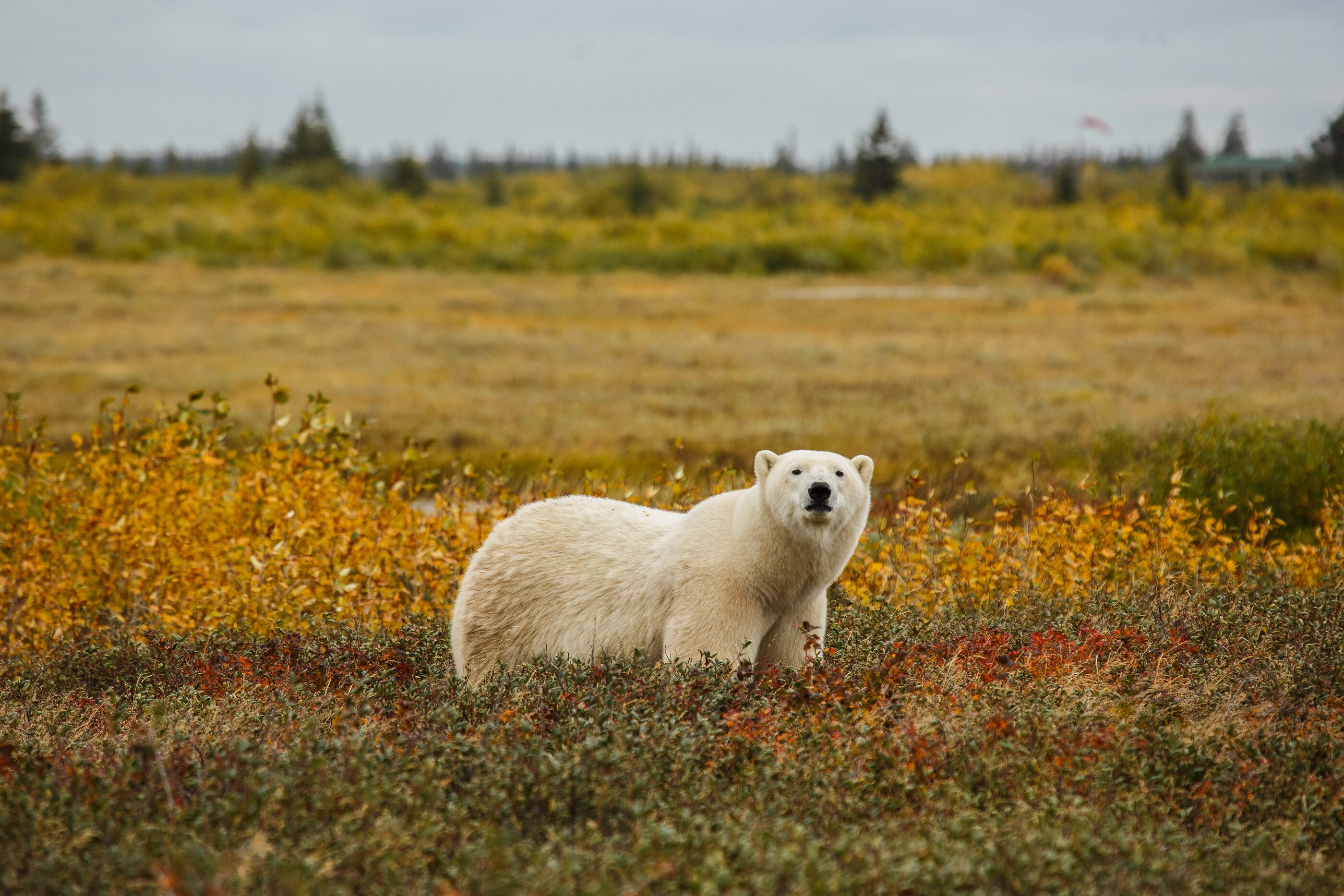
Early October gives us the chance to photograph a brilliant white animal against a landscape still carrying color and texture before winter transforms Churchill.

Sometimes the strongest image will be a tight portrait. Other times, the photograph becomes far more powerful when we pull back and let the Arctic environment tell half the story.

RUST GOLD EVERGREEN STONE OPEN SKY
03 WORK THE MOMENT
WILDLIFE DOESN'T PERFORM ON A SCHEDULE

When it's good,
we stay with it.

A bear may turn toward the light. A fox may suddenly cross the frame. Clouds may open for thirty seconds and completely change the landscape.

When a scene is producing photographs, we work it. We watch what changes, adjust the composition, and stay ready for the moment that turns a good frame into the one you remember.

And when the opportunity changes, so do we.

A polar bear and cub among the colorful autumn tundra
WATCH

Read the movement, behavior and light.

WORK

Change angle, framing and timing as the scene evolves.

03 MOVE

When the wildlife changes the opportunity, we follow.

OUT HERE, THERE IS NO PERFECT ITINERARY.

The wildlife
sets the pace.

And that's exactly why we are going to Churchill specifically. It's like nothing else on earth.

Churchill | The Journey North

THE JOURNEY NORTH

You don't drive
to the edge of the Arctic.You fly into it.

Your first night is in Winnipeg. The next morning, we head north together toward Hudson Bay, Churchill, and the open tundra beyond it.

SCROLL NORTH↓
WEST END DOWNTOWN ASSINIBOINE RIVER RED RIVER WINNIPEG AIRPORT WEST OF DOWNTOWN YOUR HOTEL DOWNTOWN WINNIPEG
ARRIVAL MAP AIRPORT β†’ HOTEL
MANITOBA SASKATCHEWAN ONTARIO NUNAVUT HUDSON BAY LAKE WINNIPEG WINNIPEG MANITOBA CHURCHILL HUDSON BAY
HUDSON BAY CHURCHILL RIVER CHURCHILL AIRPORT LAUNCH ROAD CHURCHILL WILDLIFE MANAGEMENT AREA OPEN TUNDRA
FIELD ACCESS MAP CHURCHILL β†’ OPEN TUNDRA
01 DAY 01 Β· WINNIPEG

Meet the people
you're about to
disappear into the arctic north with.

Land in Winnipeg, and head straight from the airport to your hotel downtown.

This is where the group becomes real. Meet everyone, get together for dinner, make sure the cameras and cold-weather gear are ready, and get some sleep.

INCLUDED Your Winnipeg hotel night is already taken care of.

Tomorrow morning, we take off.

02 THE FLIGHT NORTH

A few hours north is where
the magic happens.

Winnipeg falls away beneath us.

Roads thin out. Towns disappear. Forest gives way to open country. Then Hudson Bay begins to fill the horizon.

Churchill isn't somewhere you casually pass through on your way to somewhere else, or accidently end up in. This place is so remote and hard to reach we are chartering a private flight there for this workshop.

FROMWinnipeg
β†’
TOChurchill
INCLUDED Your group flight from Winnipeg to Churchill is part of the expedition and included in the cost.

Once we land and check into the hotel, the search begins.

03 CHURCHILL Β· HUDSON BAY

Land on the edge
of Hudson Bay.

Churchill is small. Remote. Wind-beaten. And surrounded by exactly what we came this far to photograph.

We collect the gear, settle into our base, get oriented, and suddenly the Arctic isn't somewhere on a map anymore.

LOCATIONChurchill
EDGE OFHudson Bay
NEXTThe tundra

The travel north is over.
The search begins.

04 OUT OF TOWN Β· INTO THE TUNDRA

Churchill disappears
behind us fast.

A few minutes beyond town, buildings give way to open tundra, low brush, water and an enormous Hudson Bay horizon.

Where we stop is never predetermined. That depends on the wildlife. Once our guide puts us safely in position, we get out, set up, and start making photographs.

As the town fades away behind us,
our cameras come out.

DAY 01 Β· WINNIPEG
THE JOURNEY NORTH
YOUR TEAM ON THE GROUND MEET YOUR COACHES
PHOTOGRAPHY INSTRUCTION + LOCAL ACCESS

You won’t be alone.
You'll be learning from the people who live it.

Two photography instructors focused on the frame — and a private local wildlife guide with 16 years spent guiding and guarding polar-bear photographers in this environment. He brings the kind of field experience trusted on assignments for National Geographic, BBC Films, and Love Nature.

Craig Alexander, lead instructor
01
LEAD INSTRUCTOR & FOUNDER

Craig Alexander

Craig built this workshop around one idea: that the fastest way to grow as a photographer is real time in the field with someone who’ll tell you the truth about your frame. Expect hands-on coaching from first light to final edit — not a lecture, a workshop.

Field Instruction • Composition • Workflow
Cyrielle, co-instructor
02
CO-INSTRUCTOR

Cyrielle

Cyrielle rounds out the teaching with a second set of eyes on every frame — another perspective in the buggy, another sounding board at the evening review, and a reminder that there’s more than one right way to see the same bear.

Field Coaching • Review Sessions
Local Churchill wildlife guide
03
PRIVATE LOCAL GUIDE & CHURCHILL SPECIALIST

National Geographic & BBC Wild Local Arctic Field Guide

This is not a general tour guide. You’ll be accompanied by a Manitoba-licensed wildlife professional with 16 years spent guiding and guarding polar-bear photographers in this environment. His background includes years in Northern Hudson Bay learning alongside Inuit guides, the required WMA access credentials, and field work supporting National Geographic, BBC Films, and Love Nature. Photographers and productions he has supported have gone on to create award-winning work.

16 Years • Polar Bear Behavior • WMA Access • Field Safety
YOUR LOCAL FIELD EXPERT 16 YEARS WITH POLAR BEAR PHOTOGRAPHERS NATIONAL GEOGRAPHIC BBC FILMS LOVE NATURE
THREE COACHES
One workshop, built around hands-on instruction and real access.
WHAT AN AVERAGE DAY LOOKS LIKE

At first light, we follow the bears.

There is no rigid route and no fixed list of stops. We head out early, find the wildlife, and spend the day photographing from the ground. If the bears move, we move. If the photography is incredible, we stay. The day is built around the best opportunities the tundra gives us.

THE WILDLIFE DECIDES THE DAY 01 / 05
FIRST LIGHT

We start looking the moment the tundra wakes up.

After an early breakfast, we load the cameras and head out to find polar bears. Once the guide puts us in the right area, we step onto the tundra, set up, and start shooting. From that point forward, the day is about bears, behavior, light and making the strongest frames possible.

EARLY START • FIRST LIGHT • POLAR BEAR TRACKING
WHEN WE FIND THEM

The van stops. The photography starts.

We get out, spread out, and photograph from the ground at a safe distance under the guide's direction. You are not squeezed shoulder to shoulder into a viewing platform. Bring the tripod. Kneel down. Lie on your stomach if the angle is worth it. Build the photograph from the perspective you actually want.

GROUND LEVEL • LONG LENSES • TRIPODS WELCOME • FREEDOM TO MOVE
THEN WE STAY WITH THE BEARS

We do not rush the encounter.

If a bear is giving us beautiful behavior, clean backgrounds, fall color or a stronger angle, we keep photographing. If it walks, we follow on foot. If it moves beyond a practical distance, we reposition and continue. We decide when we have the shot and when we are ready to look for the next opportunity.

BEHAVIOR • LOW ANGLES • FALL COLOR • TIME TO WORK THE FRAME
BACK AT BASE

The day ends with the photographs on screen.

After dinner, we review what we made while the shoot is still fresh. We look at composition, timing, backgrounds, behavior and the frames that came closest to being exceptional. Then we edit, recharge and prepare to do it again the next morning.

IMAGE REVIEW • EDITING • FEEDBACK • BATTERY RESET
IF THE SKY COOPERATES

There may be more to shoot after dark.

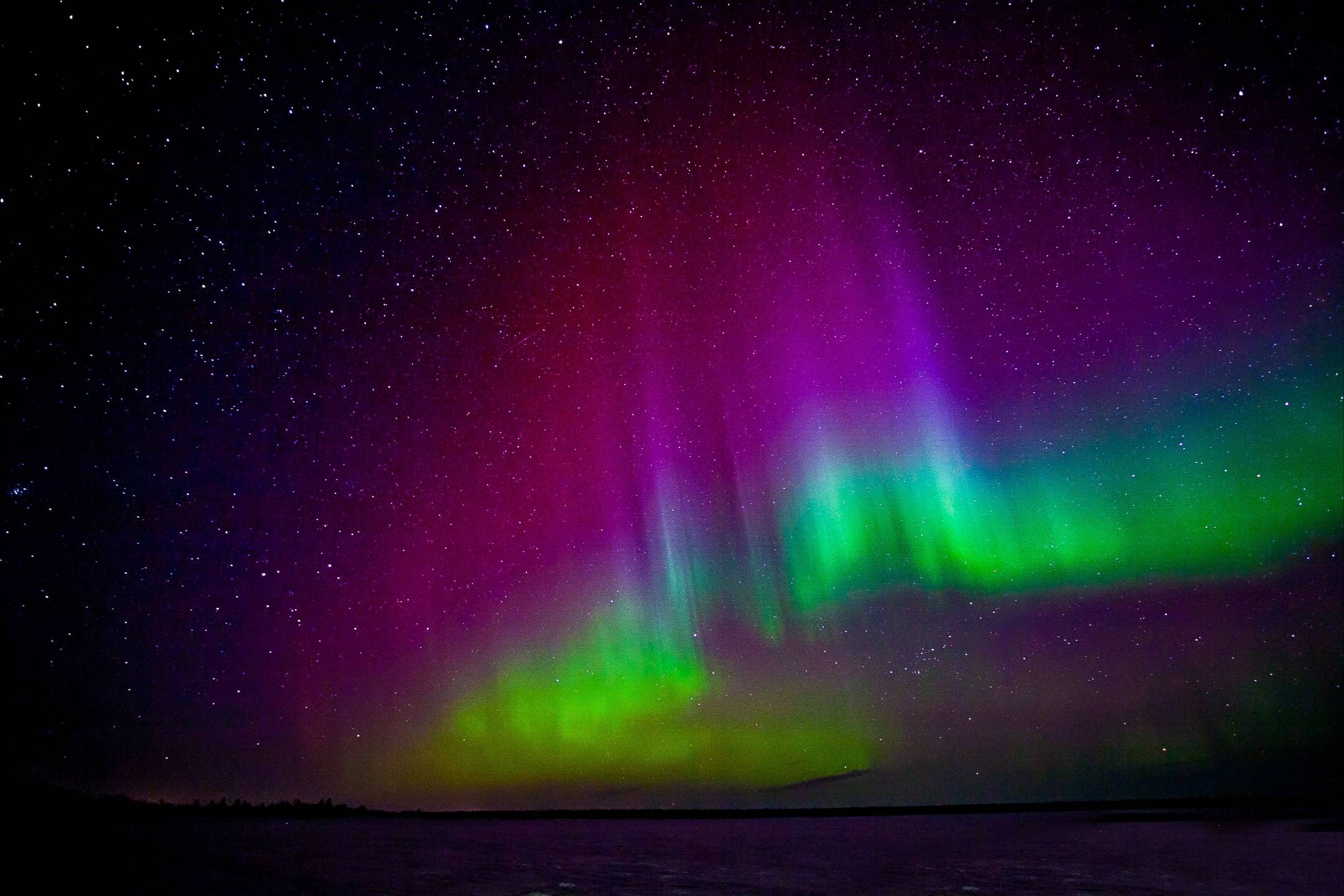
Churchill sits beneath the auroral oval, and October can produce northern lights. They are never guaranteed, and they are not the reason this workshop exists. But if the forecast, clouds and auroral activity line up, we may head back outside for an entirely different kind of frame.

NORTHERN LIGHTS POSSIBLE • NIGHT PHOTOGRAPHY • WEATHER DEPENDENT
THE GOAL

Find the strongest photographic opportunity.

Stay long enough to make it count.

GUIDE-REPORTED AVERAGE 3–4

different polar bears found in a day on average. Wildlife is never guaranteed, but when the bears are there, the goal is time with them, not rushing to the next stop.

POLAR BEARS The primary focus, photographed from the ground.
ARCTIC + RED FOX We are there during a strong seasonal window for both.
WOLVERINE + WOLVES Possible additional wildlife when opportunities appear.
AUTUMN TUNDRA Fall color, open backgrounds and landscapes become part of the frame.
NO FIXED PHOTO STOPS. We stay with the animals as long as they keep posing for us
WHAT THE DAYS FEEL LIKE

Wild enough to
change your entire portfolio. Thoroughly planned
enough to get the shot.

This isn’t a checklist of viewpoints. It’s a rhythm you settle into — early departures, patient waiting, sudden movement, and the kind of evening light that keeps everyone’s camera up long after they meant to put it down.

Tundra buggy heading out before sunrise near Churchill
01BEFORE THE TUNDRA WAKES
BEFORE FIRST LIGHT

The day begins before the sky does.

Coffee, quiet voices of your new friends, gear already checked. We’re moving while it’s still dark, because the first usable light on frost and fur is often the frame of the whole trip.

Photographers positioned in the field near Churchill, Manitoba
02PATIENCE, THEN EVERYTHING AT ONCE
IN THE FIELD

Everything is built around the frame.

Wind, light and a bear’s own pace decide where we sit and how long we stay. The itinerary gives us a plan; the tundra gets the final vote.

Golden hour light over the autumn tundra near Churchill
03THE TUNDRA CATCHES FIRE
GOLDEN HOUR

We stay for the transformation.

As the light drops, the willow and grass go amber and the bears turn to gold with them. This is the window every serious shooter builds a trip around.

Last light over the Churchill tundra at dusk
04THE LIGHT THAT WON’T QUIT
WHEN THE LIGHT REFUSES TO LEAVE

Some moments
are too good to end.

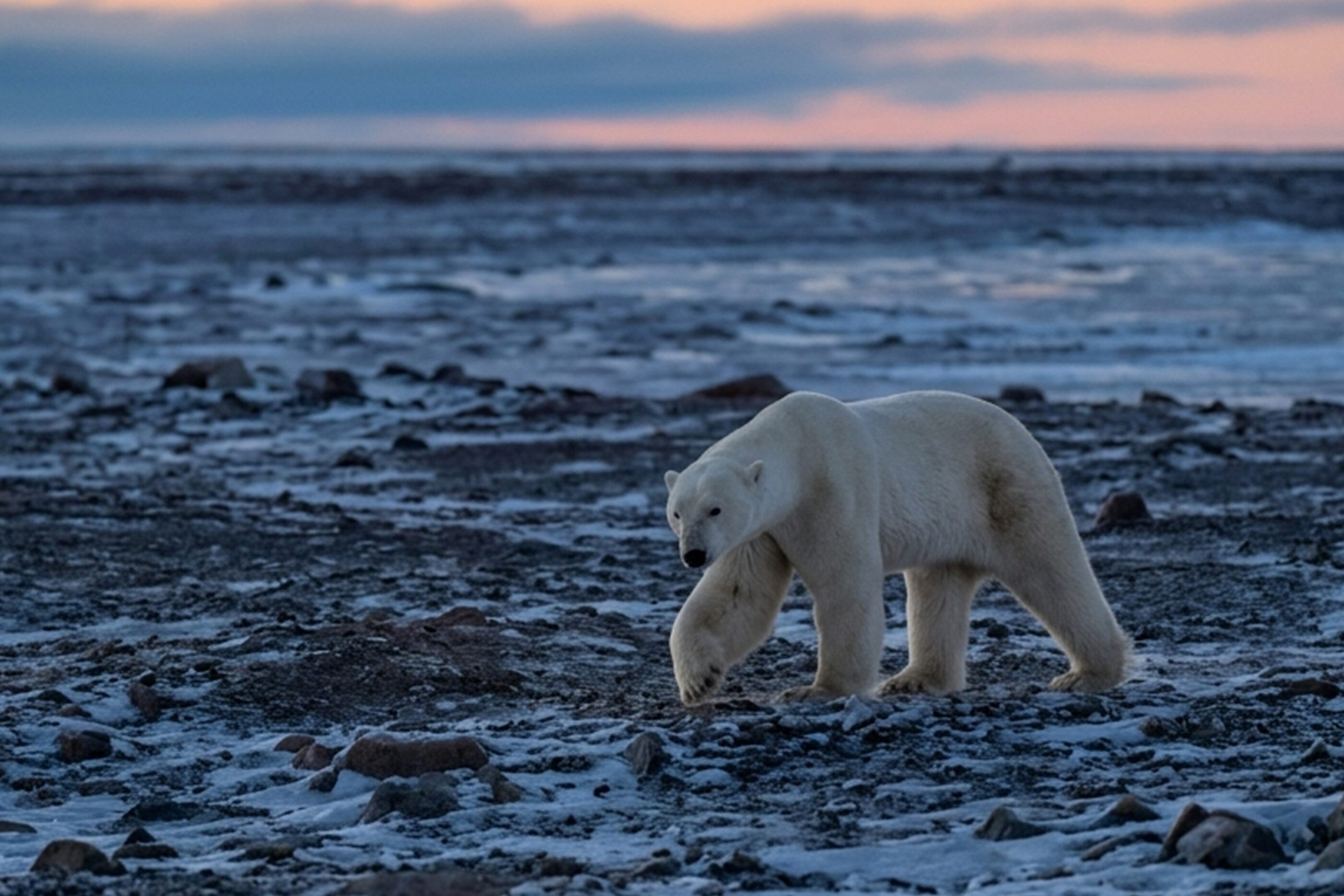
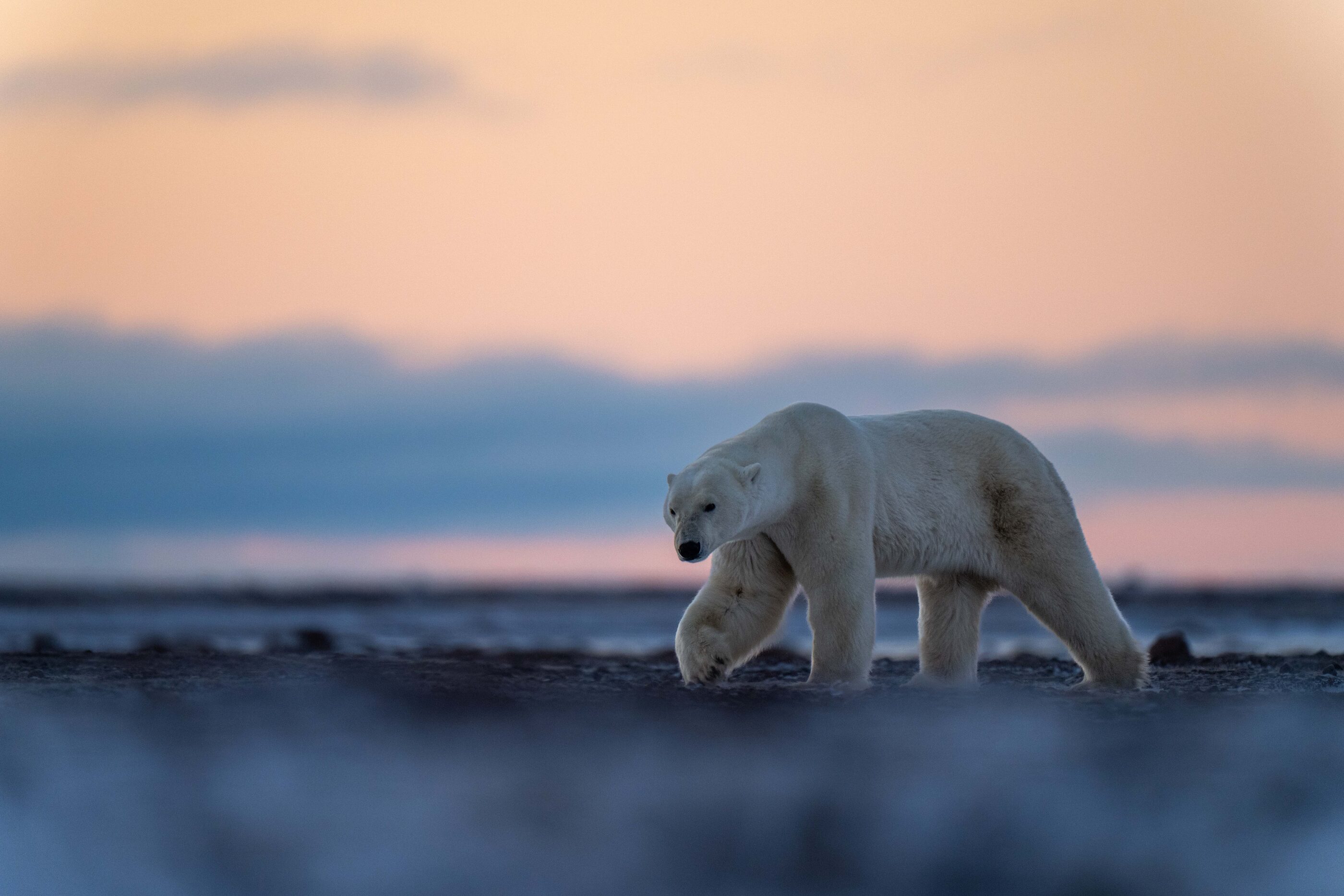
Even after sunset the sky keeps changing — silhouettes sharpen, color lingers. Nobody lowers a camera until the last usable frame is actually gone.

YOU GET TO BE THE PHOTOGRAPHER

We handle the moving pieces.

Transfers, buggy logistics, timing and the complicated details happen around you, usually without you noticing them at all. Your job is to be ready when the light, or the bears, arrive.

Reserve My Place
THE PEOPLE BESIDE YOU

Finally, you are
traveling with people
who get it.

These are the people who get focused and exited the second a bear rises up on the horizon. Who don’t complain that they are are too cold or bored. They understand why you have not moved your frozen finger off the shutter for the last few hours, because their finger's are locked just like yours. They are the people who can sit in the dirt and mud with you for three hours waiting for one moment, then fire fifty frames the second it finally happens.

Nobody asks why you are stopping for another photograph. They are beside you taking it.
WHAT YOU BRING HOME

The photographs may hang on your walls, or your custommers walls.
And the stories will stay with you forever.

You return with a body of work unlike anything you have created before, and with a small group of of new friends that were standing beside you when it happened.

WHERE YOU'LL SLEEP

Warm. Private. Comfortable.

Churchill is a tiny, remote community, so lodging here is more practical than luxurious. What matters after a full day on the tundra is that you have a warm place to come back to, your own private bathroom, Wi-Fi, and some of the largest rooms in all of churchill to recharge both yourself and your camera gear.

PRIVATE BATHROOM Your own three-piece bathroom.
WARM + COMFORTABLE A proper place to reset after a full day outside.
WI-FI + FRIDGE Simple comforts that are hard to find when you're this far north.
ROOM FOR YOUR GEAR Charge batteries, back up cards and get ready for first light.
ONE THING TO KNOW

Depending on final room availability, our group may use two nearby properties. Either way, we photograph together, eat together, review images together and spend the working day as one group.

BEFORE YOU RESERVE

Questions, answered.

What level of photography do I need to do the workshop? +

We welcome all levels of experience, but please make sure you have the gear this trip actually needs — especially a telephoto lens, since most of the wildlife is photographed at a distance. If you're missing a lens, don't worry: we can help you sort out rental options before the trip.

There's no long or strenuous hiking, and no heavy physical exertion required. People in their 20s through their 80s join us on these workshops. You do need to be able to get in and out of a vehicle and stand and walk short distances on cold, sometimes uneven ground. If that would be a real challenge, this might not be the best next workshop for you.

What should I bring? +

Churchill in October is remote, cold and wildly rewarding. Expect freezing mornings, biting wind and long days photographing from a heated vehicle. Pack for deep cold, and for wildlife that likes to keep its distance.

📷 Camera Gear

  • Your Camera: any DSLR or mirrorless body works well for this workshop. Full-frame gives you extra low-light range for Northern lights / Aurora and dusk sessions, but a crop-sensor body's extra reach is genuinely useful for wildlife.
  • Telephoto Lens: a 100–400mm or 200–600mm is strongly recommended — this is your most important lens on this trip. Bears and other wildlife are usually photographed at a real distance from the vehicle.
  • Standard Zoom Lens: a 24–70mm or similar for wider tundra and environmental scenes.
  • Wide-Angle Lens: a 14–24mm or 16–35mm for landscape shots and for Northern lights / Aurora or night sky photography if conditions cooperate.
  • Teleconverter (optional): a 1.4x or 2x extends the reach of a longer lens for distant subjects.
  • Beanbag or Window Mount: for steadying a long lens when shooting from inside the tundra vehicle — often more useful here than a tripod.
  • Compact Tripod: handy for Northern lights / Aurora and other long-exposure evening sessions.
  • Extra Batteries: bring at least 4–5 spares and keep them in an inner, warm pocket — deep cold drains batteries fast.
  • Extra Memory Cards: wildlife action adds up quickly; bring more than you think you need.
  • Lens Cloths & Blower: moving between cold air and a warm vehicle or lodge causes condensation. Keep gear dry and clean.

💻 Computer & Miscellaneous Gear

  • Laptop with Lightroom or Photoshop: we'll spend time reviewing and editing images during the workshop.
  • Laptop Charger & External Hard Drive: back up your images every day.
  • Power Adapter: Canada uses standard North American outlets (120V, Type A/B) — bring your usual charger, and a plug adapter only if you're traveling from outside North America.
  • Hand & Toe Warmers: for long, cold outings in the field.
  • Reusable Water Bottle
  • Notebook & Pen: optional, but useful for camera settings and composition notes.
  • Portable Battery Pack: for charging your phone during long field days.

🪥 Clothing & Cold-Weather Gear

  • Arctic-Rated Parka: the single most important thing you'll pack. Make sure it's genuinely rated for extreme cold.
  • Insulated Snow Pants or Bibs: essential for standing outdoors in wind and cold.
  • Heavy Insulated, Waterproof Boots: rated for sub-zero temperatures, with room for thick socks.
  • Wool or Thermal Base Layers: top and bottom, moisture-wicking.
  • Warm Mid-Layer: fleece or a packable down jacket.
  • Heavy Mittens + Thin Glove Liners: mittens for warmth between shots, thin liners for adjusting camera settings.
  • Warm Hat & Neck Gaiter or Balaclava: wind on the open tundra is no joke.
  • Wool Socks: bring several thick pairs.
  • Sunglasses or Goggles, Lip Balm & Moisturizer: for glare off snow and wind-dried skin.
  • Small Daypack: for extra layers, snacks, spare batteries and warmers during field sessions.
  • Casual Indoor Layers: lodge common areas and dinners are warm — nothing formal needed.

🛂 Travel Documents & Prep

  • Passport: valid for international travel with enough validity beyond your travel dates.
  • Entry Requirements: confirm current Canadian entry requirements before departure.
  • Travel Insurance: strongly recommended given how remote Churchill is.
  • Medication & Prescriptions: bring anything you need personally, plus a little extra in case of weather delays.
  • Copies of Important Documents: passport, insurance, flight and charter details, and emergency contacts.
  • Clean Outdoor Gear Before You Fly: clean boots and equipment of dirt, seeds and plant material to avoid issues at customs.
What is included with this trip? +

Your Churchill workshop is built as a complete autumn wildlife photography expedition — guided field time, transportation, and support before and after the trip.

  • Five days of guided field time photographing polar bears and other Arctic wildlife across the Churchill tundra
  • Private vehicle access in a small field group
  • Round-trip Winnipeg ↔ Churchill charter flight, gear and all
  • Expert local guiding on the ground in Churchill
  • Churchill lodging, with private en-suite bathrooms, Wi-Fi and a room refrigerator
  • Breakfast, lunch and dinner throughout the Churchill workshop
  • Hands-on photography coaching and image review throughout the workshop
  • Private group chat access before the trip
  • Post-workshop Zoom review session

A single-room upgrade is available for an additional CAD $900, subject to availability.

🚫 Not included:

  • Airfare to and from Winnipeg
  • Snacks, alcohol and gratuities
  • Travel insurance
  • Passport, visa or Canadian entry requirement fees, if applicable
  • Personal purchases and souvenirs
  • Any activity not specifically listed as included
Photography & wildlife disclosure +

This is a real wildlife expedition, which also means nature gets the final say. Churchill is one of the best places in the world to photograph polar bears, and we plan the workshop around the locations, timing and conditions that give our group strong opportunities to see and photograph them. Other Arctic wildlife, including foxes, wolves and wolverines, may also be possible depending on conditions and animal movement. However, no specific animal, encounter, behavior, distance or photographic opportunity can ever be guaranteed.

The same applies to the northern lights. Northern lights / Aurora can occur during our time in Churchill, and if conditions cooperate we'll absolutely take advantage of the opportunity, but cloud cover, solar activity, weather and timing are outside our control. Think of Northern lights / Aurora and rarer wildlife encounters as exciting possibilities rather than promised parts of the itinerary.

Most of the photography used throughout this page comes from our Churchill guide or from properly licensed stock photography representing the region, wildlife and conditions we are traveling to photograph. In a small number of places, AI-generated imagery is used to help illustrate a realistic scene or photographic possibility when suitable licensed photography was not available. Those images are illustrative only and should not be interpreted as documentation of a specific past workshop, guaranteed wildlife encounter or promised condition.

Can I bring a +1? +

Because seats and cabins are extremely limited, every attendee needs their own ticket. If your travel companion would like to join the workshop itself, they're welcome to reserve their own place while positions remain.

Where should I book my hotel? +

You don't need to. Your Churchill accommodations are arranged and included as part of the workshop, so there's nothing to book there. If you'd like to arrive in Winnipeg a day or two early to see the city, we're happy to point you to hotels we recommend near the airport for those extra nights.

Which airport should I fly into? +

Fly into Winnipeg — Winnipeg James Armstrong Richardson International Airport (YWG). Based on the current itinerary, plan to land in Winnipeg no later than October 13, 2027, since our private charter flight to Churchill departs the following morning. You're welcome to arrive earlier if you'd like extra time to explore Winnipeg first.

Once the group is together in Winnipeg, everyone flies to Churchill on a private charter — there's no practical commercial route, so this flight is arranged and included as part of the workshop. The same charter brings the group back to Winnipeg at the end of the trip.

Have more questions about the workshop? Book a call with our team — we'd love to talk it through with you.

Churchill Polar Bear Photography Workshop OCTOBER 13-18, 2027
Reserve your seat with a $3,000 deposit.
RESERVE MY SEAT NOW